
Getting a new piercing might feel like a small decision, but there’s more to think about than many people expect.
You need to think about the placement, the healing time, the pain levels, your aftercare and the quality of the piercing studio you want to visit.
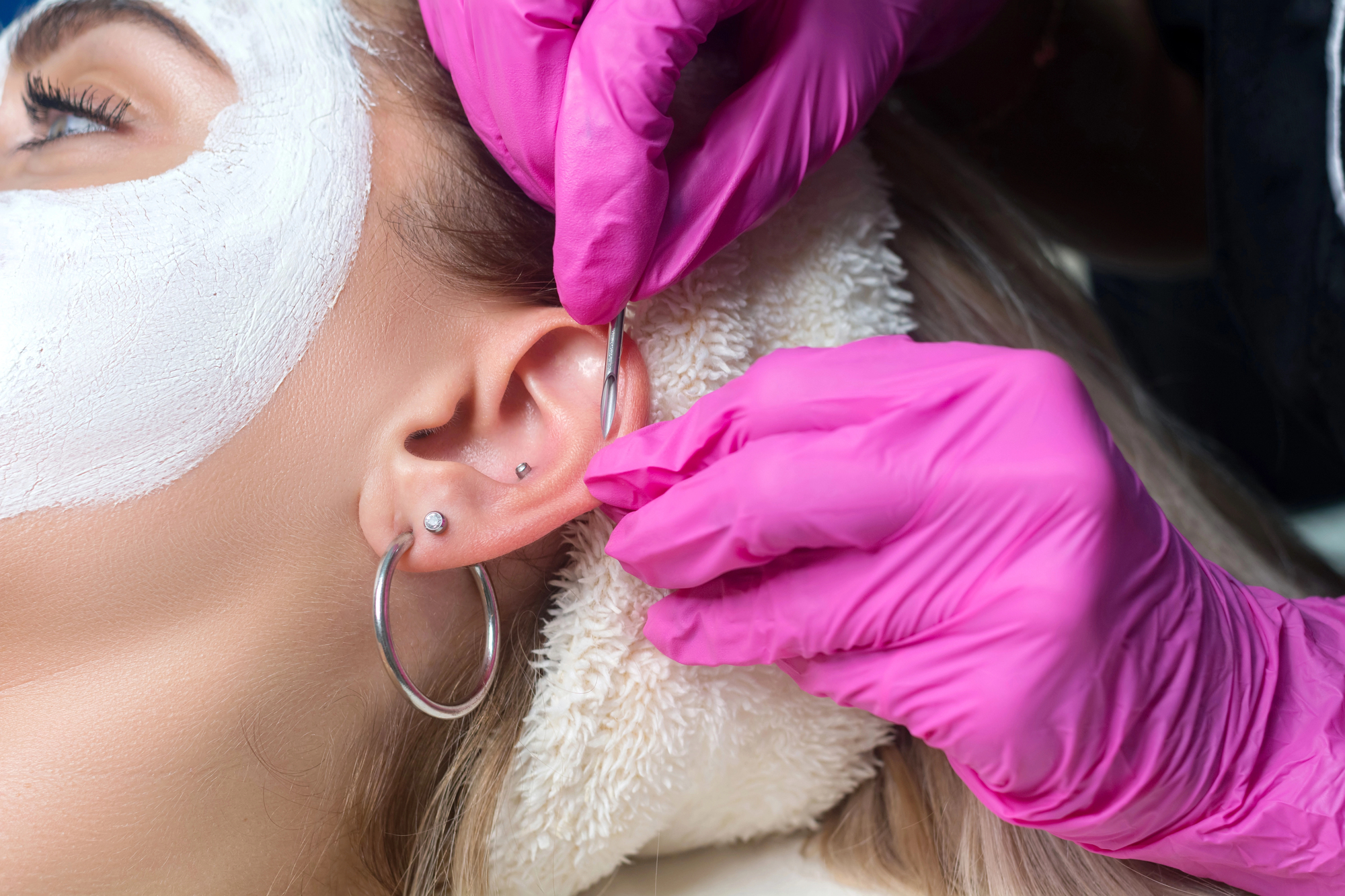
Why New Piercings Deserves More Thought Than You Might Expect
Choosing to get a new piercing might be a quick and spontaneous decision, but it is still a minor medical procedure, and needs some proper planning.
You’re going to be creating an open wound, so you need to think beyond the jewelry and consider your health, lifestyle and how committed you are to the aftercare.
Before you book your appointment, ask the piecer for specific aftercare tips, to get an idea of how knowledgeable they are, and
You need to recognize what the signs are for an early infection, like persistent redness, heat, swelling, streaking or an unusual discharge, so you know when you need to ask for help.
Piercings are easier to get than they are to remove or repair, so make sure you do properly think about whether you actually want this piercing or not.
How Placement Can Affect Comfort And Healing
Once you’ve decided you definitely want the new piercing, you need to decide where, as that has a huge impact on how it’s going to feel day to day, and how well it is going to heal.
Different areas of your body have different nerve densities, which affects the pain levels you’ll feel.
An earlobe piercing hurts a lot less than a cartilage piercing, and I’m saying that from experience. I had just a minor sting with any of my ear lobe piercings, but ear cartilage piercings a lot more painful.
The healing time also changes with the placement of the piercing. In areas that move a lot, rub against your clothing or bear weight – like your navel, cartilage or oral piercings, they’ll take longer to heal, and will need stricter aftercare practices to avoid irritation.
Your ear shape, nostril size or oral anatomy can make some placements easier, safer and more comfortable than others.
How you sleep and if you wear headphones, for example, can affect how a ear piercing heals.
Why Your Choice Of Piercer Matters
The person that creates your piercing controls your safety, comfort and the finished result.
You should look for a solid piercing experience with the specific body part, and the piercing style you want; surface, cartilage or oral piercings require different skills.
Professional sanitation practices are non-negotiable, like single-use needles, sterilized tools, medical-grade disinfectants and sealed equipment pouches.
Make sure you’re paying attention to how clearly they give your aftercare instructions, and check for client reviews before your appointment, to get an idea of how good a piercer they are, so you’re not taking any risks.
Importance Of High Quality Jewelry
While the piercing technique and the hygiene of the studio matter a lot, the jewelry piece you choose for your new piercing/s will affect the healing process.
High quality jewelry materials like implant-grade titanium, niobium, or solid 14k to 18k gold will minimize your skin’s sensitivity and reduce your risk of infection.
Cheaper alloys, mystery metals and plated pieces you often find for fashion jewelry pieces can leach nickel or other irritants, causing rashes, itching, swelling or long-term soreness.
When you choose better materials, it gives you a smoother healing time, as your body isn’t having to “fight” the metal, so you’re less likely to develop bumps, discharge or a piercing rejection.
Plus, well-made jewelry has a polished finish and precise threading, so it won’t scratch or tear your fresh tissue when cleaning your piercing, or moving the piercing.
You don’t have to choose an ugly jewelry piece, as many reputable brands now offer minimalist studs, hoops and decorative ends in safe metals, so your piercing can look instantly pretty, without waiting until it has fully healed before you can replace your piercing jewelry with a nicer piece of jewelry.
