
Minor cuts, scrapes and everyday skin injuries are a normal part of life, but the way your wound heals makes a difference to the recovery and risk of complications when healing.
Good hygiene and sensible care are important to care for your wound, but there are things that can make your body repair damaged skin more efficiently.
What A Wound Needs To Heal Properly
There are three core things that decide how well your wound is going to heal – clean tissue, steady blood supply and a protected and moist environment. When these three work together, your body can focus on regenerating the tissue, instead of damage control.
Your blood circulation delivers oxygen and nutrients to meet your wound’s nutrient requirements. If your circulation is poor, because of cold, pressure, smoking or certain diseases – causing slow healing and your tissue breaks down more easily.
Plus, your immune response has to be working efficiently, clearing debris and harmful microbes, then calms down, so new cells can rebuild the skin, blood vessels and connective tissue. If inflammation lingers, it stalls the healing.
You also need infection prevention, as even minor bacterial overgrowth can drain the nutrients and oxygen away from repairing your wound.
Having a slightly moist and protected surface will let the cells migrate, close the gap, and form stronger and more flexible skin – instead of a dry and tight scar that is likely to reopen.
Clean The Wound The Right Way
You need to first clean your wound, so your body isn’t fighting the dirt and germs, whilst it is trying to repair the damaged tissue.
Rinse the wound gently with cool, clean running water to flush out any dirt or debris. Avoid scrubbing too harsh, and use a mild, fragrance-free soap around (but not inside) the wound. This will help to reduce the number of microbes.
The next step is to disinfect, and you can use an over-the-counter antiseptic, or use a natural antiseptic like diluted tea tree oil, or cooled chamomile tea. Pat the area dry with a clean gauze pad, and again, no scrubbing.
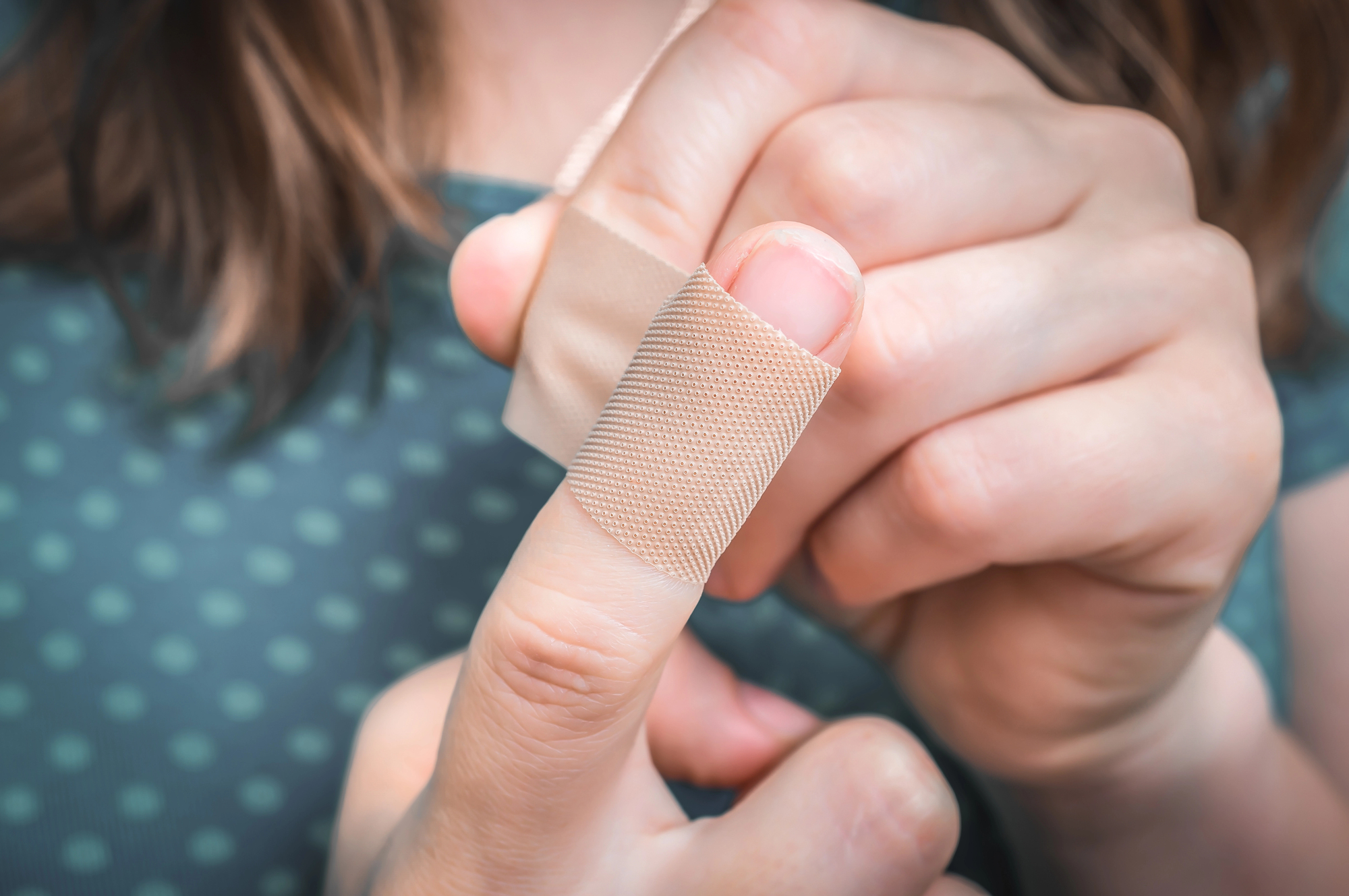
Use a proper bandage to keep the wound protected, using a sterile non-stick pad over the wound, and secure it in place with some medical tape, or a wrap that is snug, but not tight.
Keep The Area Moist Not Dry
You need to keep most minor wounds slightly moist, and not exposed to the air to “dry out”.
Having a moist healing environment helps the skin cells move across the wound’s surface more easily, speeding up the tissue repair and reducing the chance of a scab cracking or reopening.
Apply a thin layer of natural ointment after cleaning your wound. Look for a product with gentle oil, beeswax or healing herbs (like calendula or chamomile).
Then, cover your wound with a breathable bandage, to maintain the steady moisture, whilst still allowing some airflow.
Your skin barrier needs constant moisture at the surface to help it rebuild. Check your wound daily, and it should look moist and protected, and never soggy, whitish or overly soft. If it does, change your dressing and apply less ointment.
Why Sleep Matters For Skin Repair
When you’re trying to heal a cut, scrape or minor burn, sleep actually does more than any cream you apply over the top.
When you’re resting, your body moves through sleep cycles, that direct energy away from your constant daytime tasks and routine, and towards repairing any wounds.
During deep sleep, blood flow to your skin increases, delivering both oxygen and nutrients to the wound, to help speed up skin regeneration.
Sleep also strengthens your immune response, as it helps your white blood cells to clear away any debris, and reduce the risk of infection. If you’re short on sleep, those protection defenses weaken and slows down any healing.
