
Flood damage causes expensive repairs, crazy disruption and long term problems for your home. Many homeowners only think about flood risks after heavy rain, leaks or drainage issues have already caused you issues.
Having clear information before any problems arise can make it easier to prevent extensive flood damage issues for your property.
Check Your Homes Flood Risk Before Problems Start
Before you add sandbags to your doorway or you start shopping for a sump pump, take a few minutes to check your home’s flood risk, so you’re not left feeling off-guard.
Look at your local regulations for building, fill and drainage changes so any upgrades you’re planning won’t create violations or worsen run-off issues.
Check soil drainage as clay-heavy soils shed water fast, whilst sandy soils will absorb more which changes how quickly water will pool near your house’s foundation.
Walk in your yard during heavy rain to spot low areas and test where the landscape grading directs flow away from your house.
Finally, track the recent weather patterns and projected extremes in your region, as a shifting storm intensity can turn a rare weather event into a routine threat.
Keep Gutters Drains And Downspouts Clear
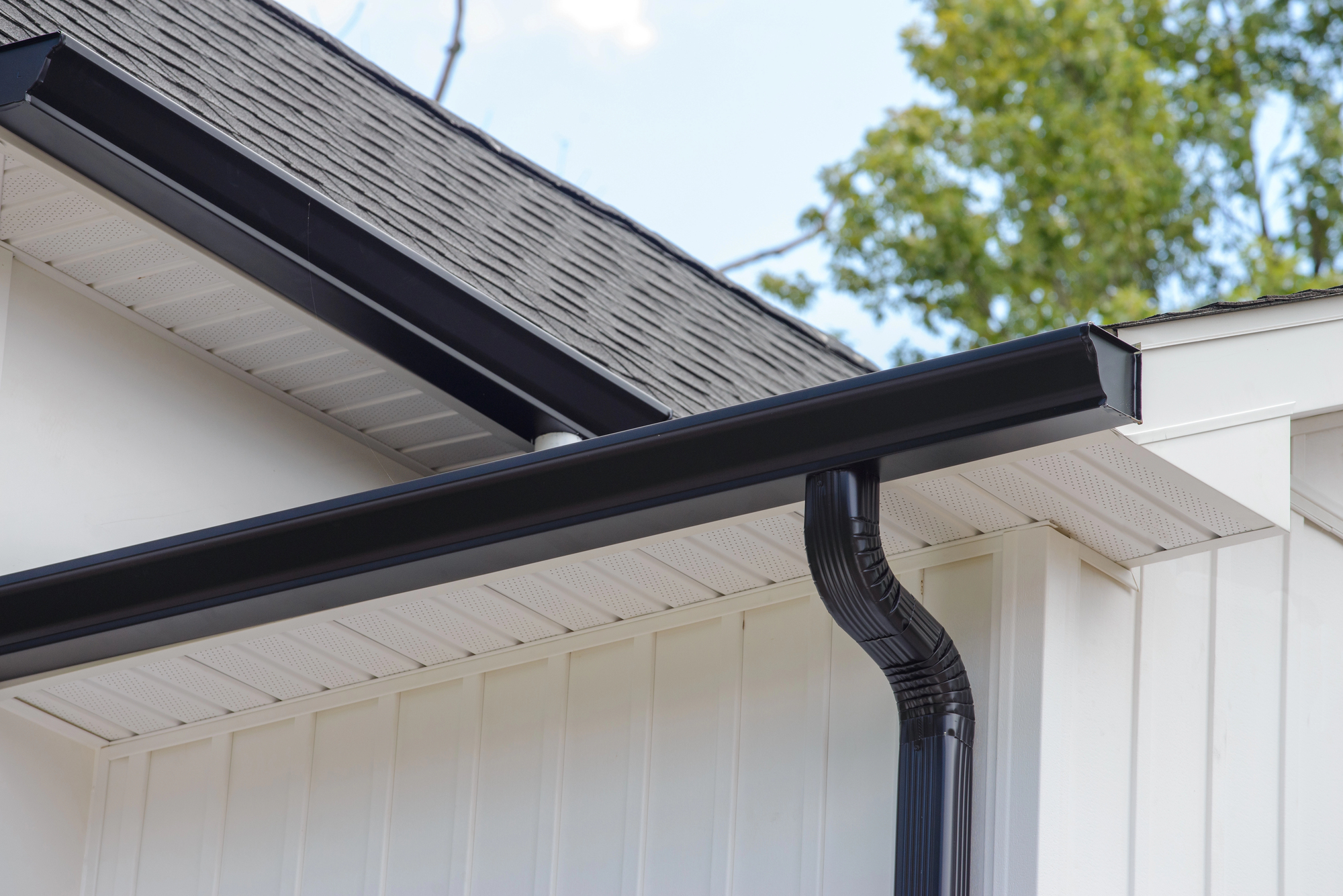
Make sure you stay on top of looking after your gutters, drains and downspouts, as a small clog can quickly cause issues with heavy rain, causing foundation seepage or a flooded basement.
Simple gutter maintenance tips like scooping up leaves, flushing with a host and confirming water flows freely to the downspout.
Schedule in a seasonal inspection during the spring and fall, and after big storms, so you can catch issues and hidden blockages early.
Trim any overhanging branches, install some gutter guards and bag roof grit before it washes downstream.
For ground-level protection, drain cleaning can be done by clearing curb inlets, sweeping your driveway grates and removing all mulch that will migrate into your yard drains.
Install Flood Alarms And Water Leak Sensors
Add some flood alarms and water leak sensors in your home, so they can help you catch any water issues early before they cause lasting damage.
Choose your flood alarm based on your home’s risk, like a spot detector for sump pits and low points, rope sensors for long runs near water heaters, and WiFi units for remote alerts.
Make sure you schedule maintenance checks monthly by testing your sounders, confirm app notifications, replace the batteries and clean contacts so any false alarms won’t train you to ignore the warnings.
Review Your Insurance Before Flood Damage Happens
Flood alarms can buy you minutes in stopping a leak, but it is insurance that will keep those minutes from turning into months of repair bills.
Review your home insurance coverage now before the water gets into your home. Pull off your declarations page and verify your insurance’s policy limits for dwelling, contents and loss of use, to make sure you’re not under-insured when the costs spike.
Check the fine print for any flood exclusions, as many homeowner policies won’t cover rising water, sewer back-up or groundwater seepage (unless you add specific protection).
Finally, prepare yourself for the claims process just in case. Take photos of your valuables before any damage happens, and keep receipts stored in your cloud, just so you have them if you ever need them.
