
Warts are stubborn and frustrating, as well as being harder to treat than most people expect.
Choosing where to start, when treating a wart, really matters, because your first step can save you time and irritation, which makes your treatment plan far more effective. You don’t want to waste time treating your wart with something that doesn’t work very well, and wastes your money.
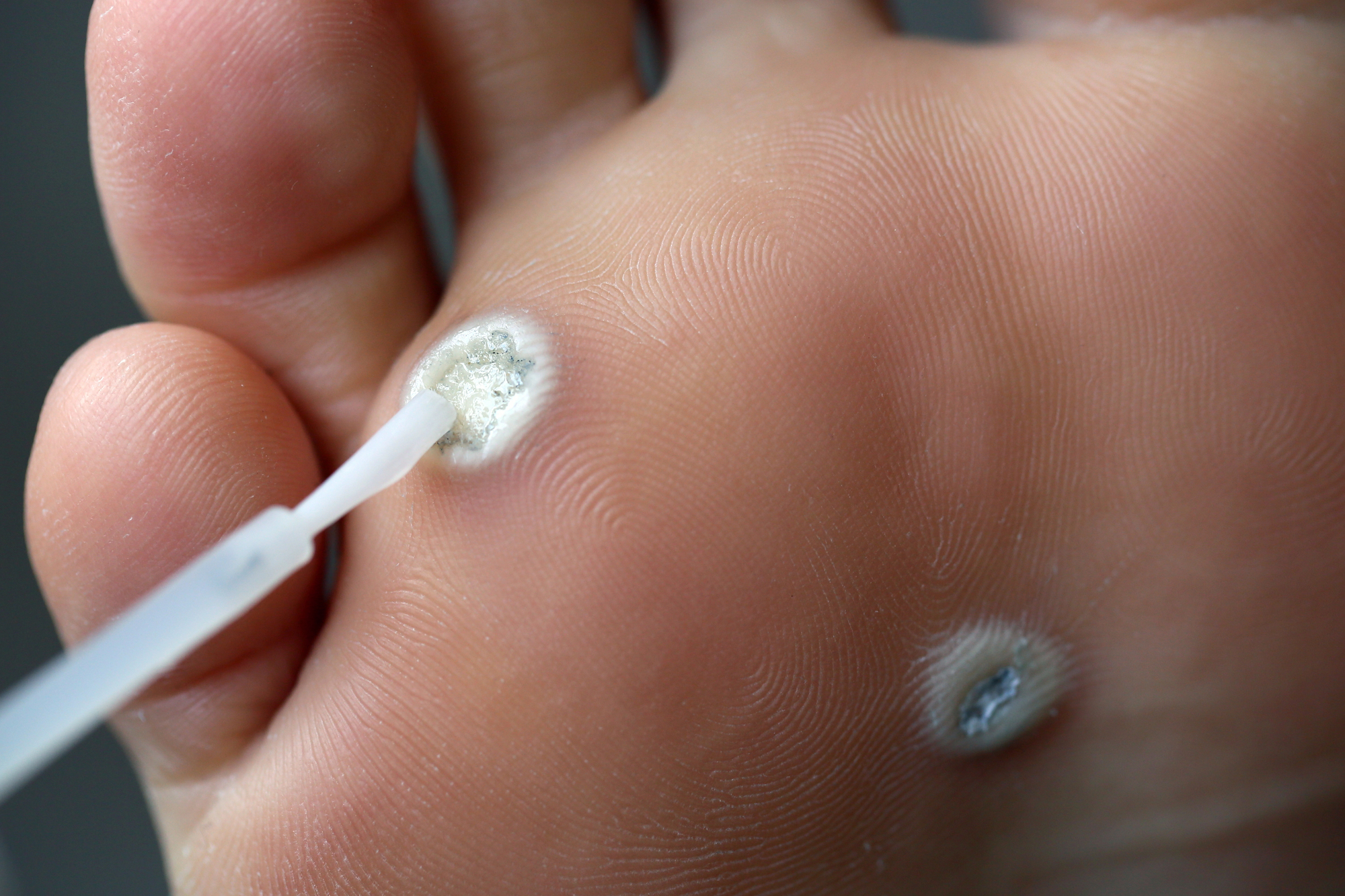
Why Some Wart Removal Products Work Better Than Others
Many wart treatments look similar on the shelf, but some work better than others because of how they target the wart’s root and interact with your skin.
The factors that affect the effectiveness are things like how deeply a product penetrates, how consistently it is used and how well the product matches your skin type and the location of your wart.
Ingredient comparisons also matter, with high-strength salicylic acid, low-strength acids, freezing agents, and newer immune‑stimulating formulas not acting the same way, or at the same speed at treating a wart.
What To Try First For Common Warts
When you have a typical common wart on your hand or finger, you want to start with the safest and simplest options, before you decide to move to a more aggressive treatment.
Give your immune system the best chance to clear the virus, by ensuring you’re getting enough sleep, managing stress, not smoking, and ensuring you’re eating a nutrient-dense diet.
Keep the area clean, dry and covered with a breathable bandage, as this will stop you spreading the virus causing your wary.
There are some natural remedies people claim work, like using duct tape, diluted tea tree oil or placing crushed garlic under a bandage, but stop any of these home treatments if you get any irritation or it makes the wart worse.
Some over the counter options are more gentle, protecting your skin and stopping you from picking or scratching the wart.
Salicylic Acid Products And How They Help
Salicylic acid is usually the first medicated option doctors will recommend for common warts. You can find it in salicylic acid wart liquids, gels, pads and plasters, and it works by slowing dissolving the thick, virus-infected skin, allowing your immune system to clear the wart more easily.
Make sure you’re doing the right application techniques, like soaking the area in warm water, gently file the dead skin away with a pumice, and applying the product to the wart, and cover it, if the product recommends it, and you’ll need to repeat daily.
Higher-strength liquids and medicated pans usually work faster at getting rid of your wart, but they are harsher on the surrounding skin.
When Freeze Treatments Are Worth Using
If you’ve not had the best results with salicylic acid, you can try a freeze-off kit. With these kits, they mimic in-office cryotherapy effectiveness by rapidly cooling the wart, to destroy the infected tissue. They work best for well-defined and thicker warts on your hands and feet, but not on your face or sensitive areas, or very young children.
Think about your pain tolerance and your skin sensitivity. Freeze sprays can sting sharply, and cause blisters, temporary dark/light spots or mild scarring.
To get long term results, you’ll often need more than just one session. Don’t pick the blisters, keep the area clean and protect your healing skin. If your wart isn’t shrinking after two or three tries, it’s better to see a dermatologist than keep buying more kits.
