
Hair transplants can seem like a straightforward way to improve your hair density, and help boost your confidence.
It’s not a simple decision, as it’s a financial, emotional and personal decision you have to make, but hair transplants are a big deal, and some people end up regretting their decision to get the transplant.
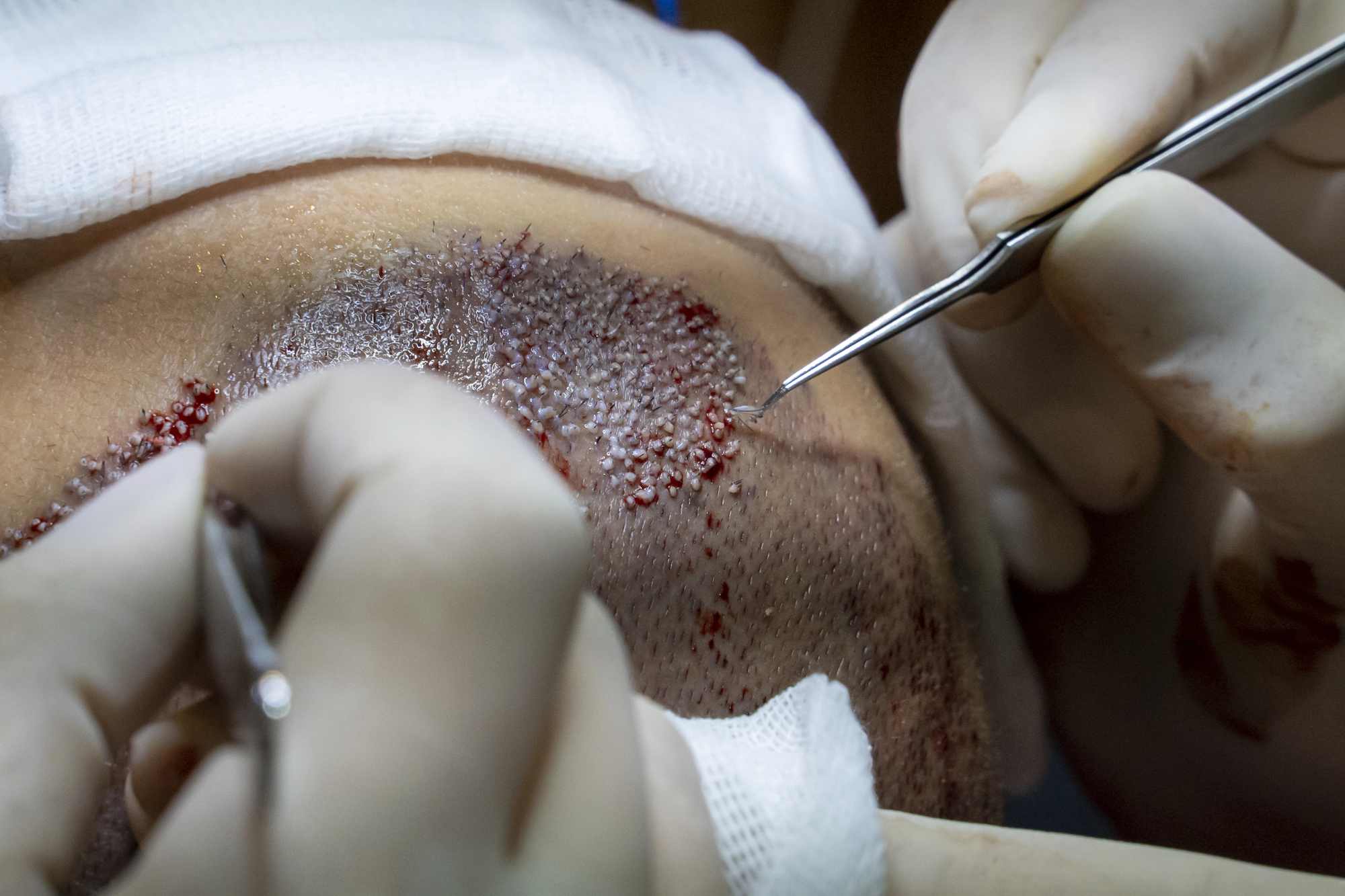
Unrealistic Expectations Before Surgery
One of the biggest reasons people end up regretting their hair transplant, is because they go into surgery with very high expectations that no procedure can meet.
If you’re expecting a teenager’s hairline, instant density or zero scarring, you’re setting yourself up for potential disappointment, which is why thorough pre-surgery consultations are so important.
You need to understand that hair transplants only move existing hair follicles, and they don’t create new ones, or stop future potential thinning.
If a hair transplant quote seems too good to be true, it could be skipping some vital steps, like proper planning or decent post-surgery care.
When having a hair transplant, you need to accept that your results will appear gradually over 12-18 months, and you’re not going to get instant results.
Choosing The Wrong Clinic Or Surgeon
The clinic you use and the surgeon doing the procedure are two of the most important aspects of getting good results with a hair transplant.
If you rush that decision, that’s where you could risk the chance of getting a unnatural hairline, visible scarring or poor density, which will be hard or impossible to fix.
You cannot judge quality just on the procedure’s price and the clinic’s advertising alone – you need to investigate your clinic’s reputation and the surgeon experience in detail.
Check for consistent and verifiable patient reviews, and not just hand-selected glowing testimonials on the clinic’s website.
Look at before and after photos, paying attention to the angles of the photos, the lighting used, and how the hairline suits each individual face.
When you’re having your consultation, notice whether the surgeon is listening to you, if they’re setting realistic goals, and if they’re fully explained the risks to you.
If you end up feeling rushed, pressured or confused, that clinic isn’t a good match for you.
Recovery Process Was More Difficult Than Expected
Even if your surgery goes smoothly, your recovery period often feels longer and more uncomfortable than people expect.
You might struggle with swelling, itching and issues with your sleep, even if you follow your post-surgery care instructions.
You might also discover that pain management techniques you were told about, don’t fully control the soreness and tightness you’re experiencing, especially in the donor area.
Simple daily tasks, like washing your hair, exercising, wearing hats or even going back to work, often require some lifestyle adjustments you just weren’t expecting.
Density That Did Not Meet Expectations
Although your surgeon might call the procedure a success, disappointment can often set in, when your new hair doesn’t look as thick as you thought it would be.
You might have been expecting barbershop-level fullness, but you might have visible gaps, especially under strong light or when your hair’s wet.
If your surgeon creates a wide and youthful hairline, but doesn’t place enough grafts behind it, the hair density suffers.
You might notice ongoing scalp sensitivity where grafts were densely packed, making styling uncomfortable. If you have slow or uneven follicle growth, it can make you wait many months, before you know if your hair density is going to be truly disappointing, or if it’s just delayed.
