
The condition of your jewelry can decline over time, due to regular use, environmental exposure and poor storage.
Over time, even the most well-crafted pieces can lose their shine, their structural integrity and overall appearance without proper and appropriate care. Here are some tips on how to look after your jewelry, to make it look its best, for as long as possible.
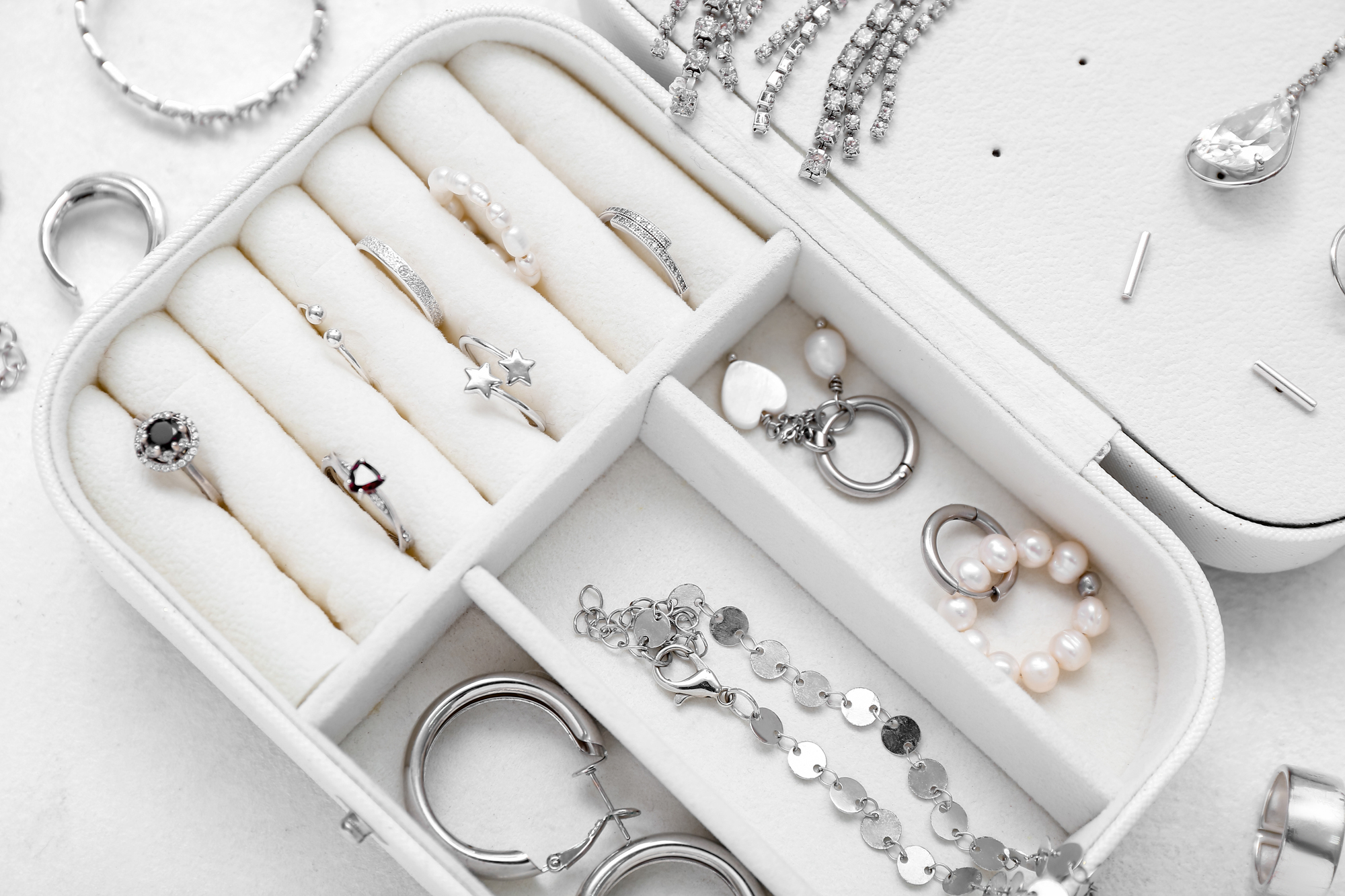
Proper Storage Habits That Prevent Scratches And Damage
Keep each jewelry piece separate, to prevent any scratches, especially your most special pieces. Use small pouches, ring boxes or individual compartments inside a jewelry box, so the chains and rings don’t rub together.
You can use anti-tarnish strips, cloths or pouches for your silver and plated items, to reduce tarnishing from the air and humidity, to keep your silver pieces look cleaner longer.
Choose the right storage method for different materials. Store your pearls flat in a soft pouch/drawer to avoid stretching the strand, and keep costume jewelry in a dry place, away from sunlight and chemicals.
Hang any delicate chains on a specific necklace stand, or inside a jewelry armoire, to stop them tangling. For shorter chains, lie them flat inside compartment to prevent knots.
Ensure your jewelry is stored in a cool dry place away from your bathroom, where the humidity is high.
Caring For Gemstones Without Causing Damage
Look after your gemstones gently, using a soft toothbrush or a lint-free cloth with a mild jewelry cleaning solution, to remove dirt and grime. Work slowly around the settings, so you don’t disturb the loose prongs or loosen any stones.
Avoid using ultrasonic jewelry cleaners for your fragile or treated gems, as they can crack or dislodge heat-treated stones. If you’re unsure, just skip ultrasonic cleaning altogether, and choose manual cleaning instead.
Polishing cloths work well for keeping your settings bright, without touching the stones. Use your cloth to rub the metal parts only, as this will reduce the need for frequent rhodium plating, or aggressive cleaning.
Regularly check your gemstone jewelry pieces for loose stones or loose prongs within the settings. Check the prongs and settings before and after cleaning, and if you find any movement, take the piece to a professional jeweler, to secure any loose prongs or stones.
How Moisture And Chemicals Affect Your Jewelry
When your jewelry meets water or humid air, metals like sterling silver react with sulfur and oxygen, and that is what causes tarnishing of the metal. You’ll notice a dull, dark layer over the metal, which hides the shine and detailing.
The chemicals in soaps, perfumes, pools and cleaning products can all harm the finish of your jewelry. Harsh chemicals and abrasive cleaners can strip the plating, scratch the surface and loosen your settings.
Store your jewelry in a dry place, using airtight bags or lined boxes, to prevent any tarnishing. You can even add a couple of the silica gel packs in your storage area, to help absorb any excess moisture.
Remove your jewelry before you go swimming, take a shower or use a household cleaner. This will prevent exposure to chlorine, bleach or other corrosive agents, which can speed wear of your jewelry pieces.
How To Travel Safely With Your Jewelry
Always pack your higher value pieces in your carry-on, so you keep them with you at all times. Checked bags can be lost or searched, so place rings, necklaces and watches in a travel jewelry case, with individual compartments and soft lining.
Wear the items you plan to use the most, like a simple ring or bracelet, as wearing them reduces handling and makes theft less likely.
Thread your delicate necklaces through a drinking straw, or fasten the clasps before storing.
Make sure you document and insure your valuables before you leave. Take clear photos, and note down any appraisals or serial numbers. Check that your jewelry insurance covers travel, and if there’s any limits for international trips.
