
Not everybody likes running, with it being neither comfortable nor practical for some people, as a regular form of exercise.
Staying active doesn’t mean trying to force yourself into a fitness routine that feels repetitive, high-impact or difficult to maintain. There are lots of other effective ways you can build movement into your week, whilst being kinder to your joints.
Why Running Can Be Difficult For Some People
Running is often seen as the simplest way to get fit, but running is very difficult for many people, as it places high demand on your joints, lungs and overall conditioning.
If you suffer with knee pain, hip pain or back pain, you could be more worried about injury prevention than you are about pace or distance. Plus, hard pavement, poor shoes or past injuries can make every step you do, feel like a painful jolt.
You could also find that running clashes with your personal preferences. You might not enjoy the repetitive routes, harsh weather or crowded paths, which end up draining your fitness motivation, instead of boosting it.
Benefits Of Choosing Low Impact Movement
Instead of forcing your body through a workout that leaves you aching or feeling discouraged, low impact movements lets you build your fitness, with far less wear and tear on your body.
You can protect your joint health by avoiding the constant pounding that can end up inflaming your knees, hips and ankles too.
As you won’t be wiped out after every session, you will feel an energy boost, rather than exhaustion.
With gentle but steady effort, it’ll improve your circulation and oxygen flow, sharpening your mental clarity and helping you to stay focused throughout your day.
Walking As An Easy And Effective Option
Walking is a great low-impact exercise, and you don’t need any special gear to be able to do it. Having a consistent walking habit will improve your cardiovascular health, support your joint mobility and boost your mood, without you feeling super exhausted.
To turn walking into a real exercise, pick up the pace with brisker walking. Aim for a pace that will make you breathe harder, but still lets you talk. You can also do interval walking where you alternate one minute of fast walking, followed by you doing one to two minutes of easy walking and repeat.
Cycling For Cardio Without The Strain
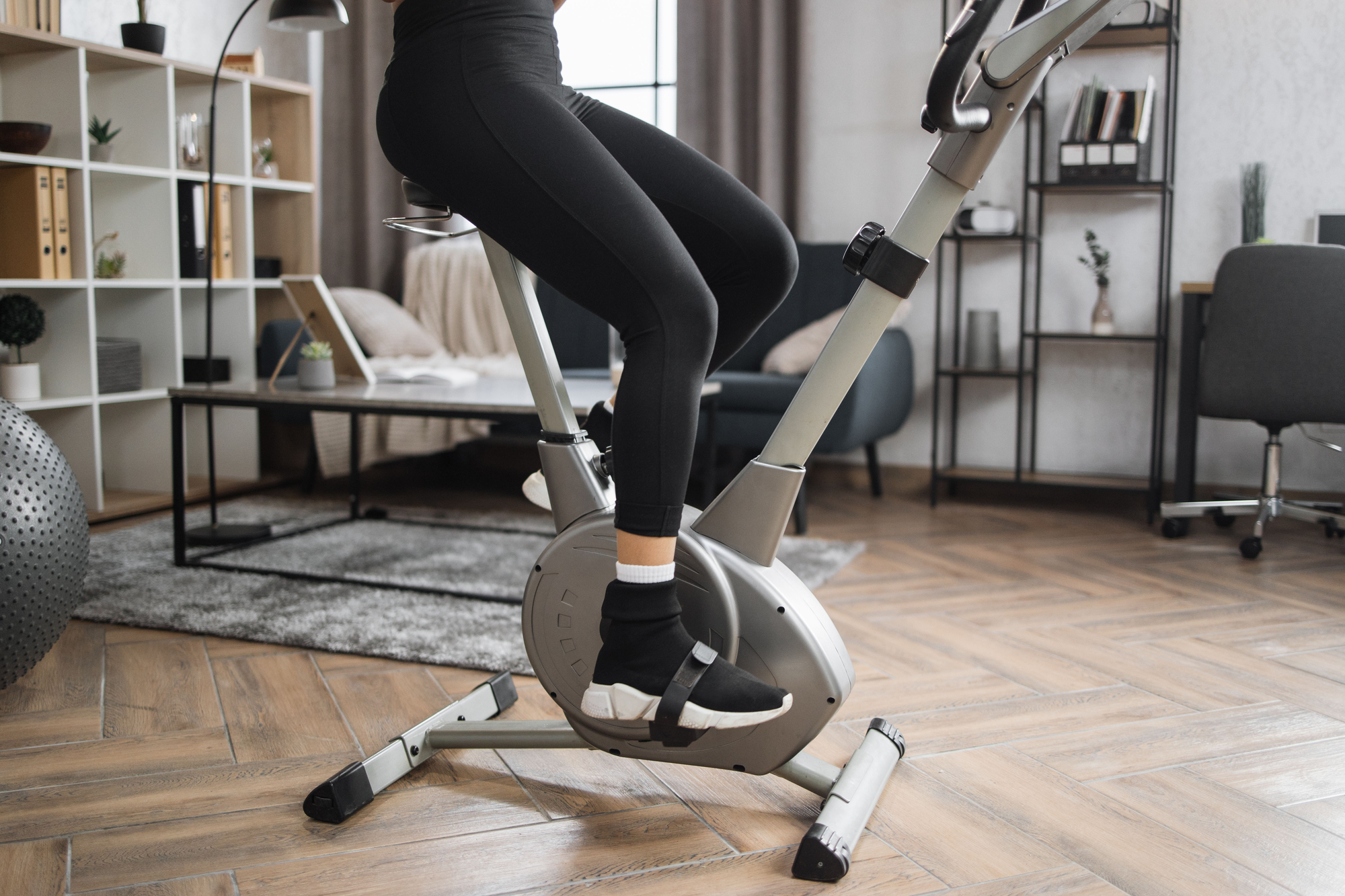
If you go cycling (both on a indoor exercise bike or an outdoor bike), it gets your heart rate up without pounding your joints. You can control the intensity, while keeping the impact low.
With an exercise bike, you can ride all year round, adjust the resistance in seconds, and track your effort with the built-in metrics. It is also easy to do intervals, by pushing hard for a minute, then recover and repeat.
When you’re outdoors, you can follow scenic routes that will make it feel like you’re doing less of a workout. Focus on a simple cycling technique, where you keep a steady pace and relax your upper body. Be smart with your gear selection and ensure you have a comfortable saddle size, a proper frame size and low gears to reduce knee pain.
Swimming For Full Body Fitness
One swimming lap in the pool works more of your muscles than most gym circuits, and it doesn’t hammer your joints like running does.
When you swim, you push against the constant water resistance, so your shoulders, core, glutes and legs all stay engaged. All of the different swimming strokes let you target your muscles, but keeps the impact low.
If you don’t fancy doing swimming laps, you can try aqua aerobics. Simple moves like jogging in one place, leg lifts or arm circles become tougher and safer in the pool, so you can build your strength and endurance, without pounding your knees or hips.
