
Vintage jewelry is becoming more and more popular, with shoppers wanting jewelry pieces with history as an alternative to fast fashion jewelry and accessories.
With different eras, materials, settings and conditions to consider, there’s quite a few things to think about when deciding on a vintage piece.
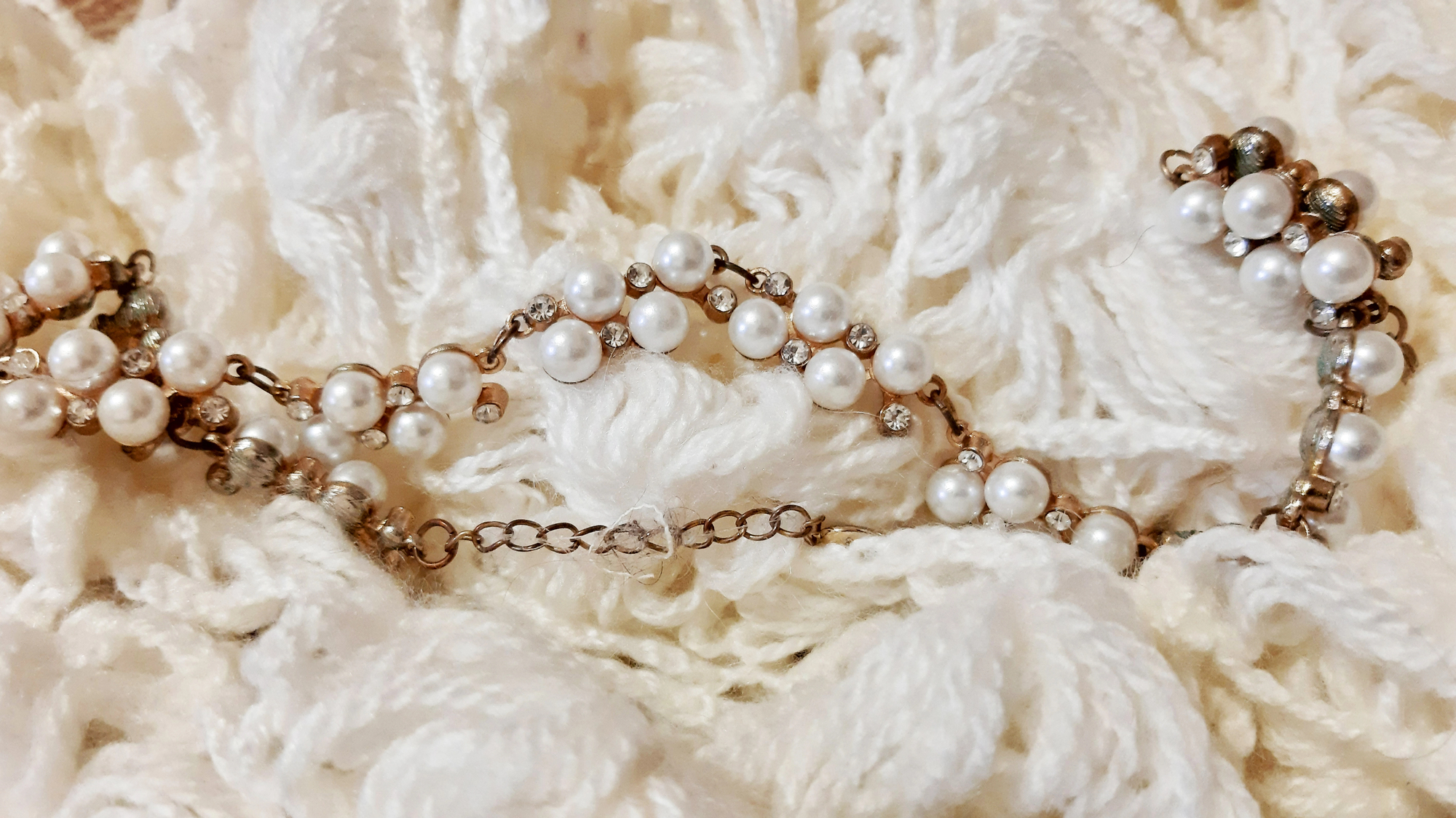
Why Vintage Pieces Feel More Special
When it comes to fashion and jewelry, trends really do come and go, however vintage jewelry pieces rarely look dated like costume jewelry or fashion jewelry can.
Details like a hand-cut filigree, old world prongs and careful stone placements highlight unique craftsmanship which modern mass production can never match.
When you’re choosing vintage pieces, it’s a sustainable choice as you’re keeping precious metals and gemstones in use instead of demanding new extraction.
Vintage jewelry pieces have already stood the test of time, and you know the piece is likely to last for a long time, which isn’t something you can guarantee with modern jewelry pieces.
Appeal Of Pieces You Will Not See Everywhere
If you’re tired of seeing the same stackable bands or lookalike hoops, vintage jewelry gives you a unique piece which you won’t see on everyone.
You get shapes, stones and settings which modern day manufacturers don’t use, and you can spot the unique craftsmanship in the hand-set details, detailed metalwork and stunning finishes which look a lot more luxurious and special.
Each vintage piece has its own story, and depending on the piece you buy, the right piece can hold real investment value, whilst still feeling wearable every day.
How To Tell If A Jewelry Piece Is Genuinely Vintage
Check if the piece is antique or if it is actually vintage. Antique pieces are usually over 100 years old, whilst vintage usually covers 20 to 99 years of age.
Whenever you’re buying any jewelry piece, look for any maker’s marks, company symbols, date letters and stamps, and check online to date the piece and get an idea if it’s genuine and worth the price.
Assess the piece’s quality. You can feel the weight, inspect the prong work and the solder seams, and check if the stones show era-consistent cuts and settings.
Check to see if the piece has been restored. Look if there are any replaced clasps, re-tipped prongs or re-plated surfaces, as they’ll affect the value in years to come.
To source the authenticity, you can ask provenance, for receipts, appraisals and the return policies from reputable sellers.
What To Know Before Choosing A Vintage Piece
Before you purchase a vintage jewelry piece, decide on how you’ll wear it; a daily wear piece, a special occasion piece or just a collectible you don’t plan on wearing.
Once you know how you’ll wear the piece, you can decide on the vintage styles like sturdy mid-century gold for everyday pieces, beautiful (but delicate) Edwardian filigree for occasional wear or a bold 1980’s costume piece for fun.
Check the material quality of the piece like solid construction, secure prongs, smooth clasps and stones without having major and noticeable chips.
Once you have the piece, make sure you get specific care tips for the metals, pearls or porous gems to look after the piece for years to come.
There are many different sourcing options when buying vintage jewelry like reputable dealers, estate jewelers, vetted auctions or an authenticated online shop, but always check their return terms and the provenance on the piece, when available.
