
Choosing how to arrange a funeral is a very personal decision, and direct cremations are becoming more and more popular thanks to the cost of living crisis.
Both direct cremations and traditional funerals have their own pace, structure and costs, which are important to know before making any final plans.
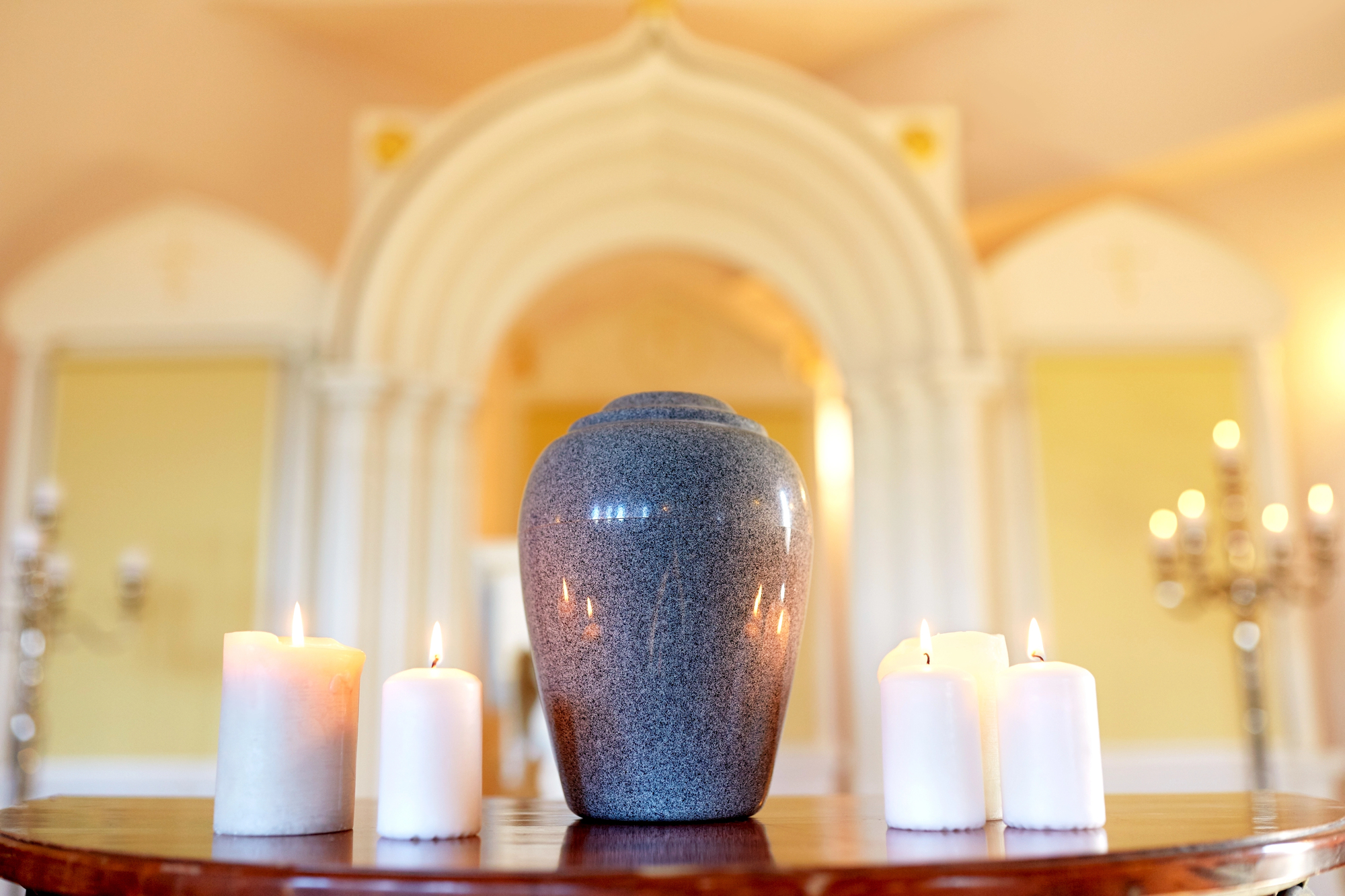
Difference Between Direct Cremation And A Traditional Funeral
Both options honor a life that’s been lost, but a direct cremation and traditional funeral differ in how, when and where they actually take place.
With a direct cremation, the body goes straight to cremation soon after their death, usually without a viewing, service or embalming. Whereas a traditional funeral usually does include a visitation, formal ceremony and burial/cremation afterward.
The person’s religion can affect what kind of funeral they’ll want. Plus, the environmental impact can also affect your choices. Cremations avoids burial space and some resources, while funerals can involve more materials and transportation costs.
The grieving process is different for different people, which means some people need a ceremony, but other people might find more flexibility to be more healing.
What Direct Cremation Usually Includes
Direct cremations are a simple and streamlined process which usually involves transporting your loved one from the place of their death directly to the crematory, completing the required paperwork/permits and performing the cremation without embalming or a formal, public service beforehand.
The cremation happens in a secure and controlled setting, and you’ll usually receive the cremains in a basic container or urn you’ve personally chosen.
Your provider will guide you through the legal requirements, like the death certificate and authorization form, so you don’t have to worry about doing those alone.
Direct cremation gives you flexibility with memorial options, where you can hold a gathering later at home, outdoors or in a place that mattered to the person that died.
Many people like that a direct cremation has a lower environmental impact compared to other traditional methods, and it’s usually the most affordable option.
What A Traditional Funeral Usually Includes
Traditional funerals are a lot more structured and include the professional care of the body (often with embalming being done), a viewing or wake, a formal funeral service and a graveside or committal service. You’ll usually choose clothing, cosmetics and a casket, then schedule the visiting hours so family and friends can pay their respects.
The funeral service will usually reflect your funeral customs and cultural traditions. It can be held in a funeral home, a house of worship or another meaningful location. There can be readings, music, eulogies and religious rights, or you can have a more personal memorial service with personal stories and photos.
After a funeral, you typically go to the cemetery, where you’ll select the burial options like a ground burial or an entombment.
How The Costs Can Compare
The cost is often the most clearest difference between a direct cremation and a traditional funeral, as there’s a considerable difference in price between the two.
With a direct cremation, you usually pay for the transportation, paperwork, cremation and the basic care of the cremains.
Traditional funeral costs add in embalming, viewing, ceremony fees, printed materials, flowers, vehicles and often a burial plot and headstone.
Make sure you compare the options carefully, deciding what is going to be essential or optional, and which option is going to support your grief the best? Having a burial with a permanent grave will give you a fixed place to visit, whilst a cremation can give you a more flexible and less expensive remembrance.
