
To get a healthy lawn, it isn’t just one thing you need to do, but a series of consistent habits to support stronger growth over time. The way you water, cut and feed your lawn matters, and can affect the color, thickness and overall condition of your grass.
Start With The Right Mowing Routine
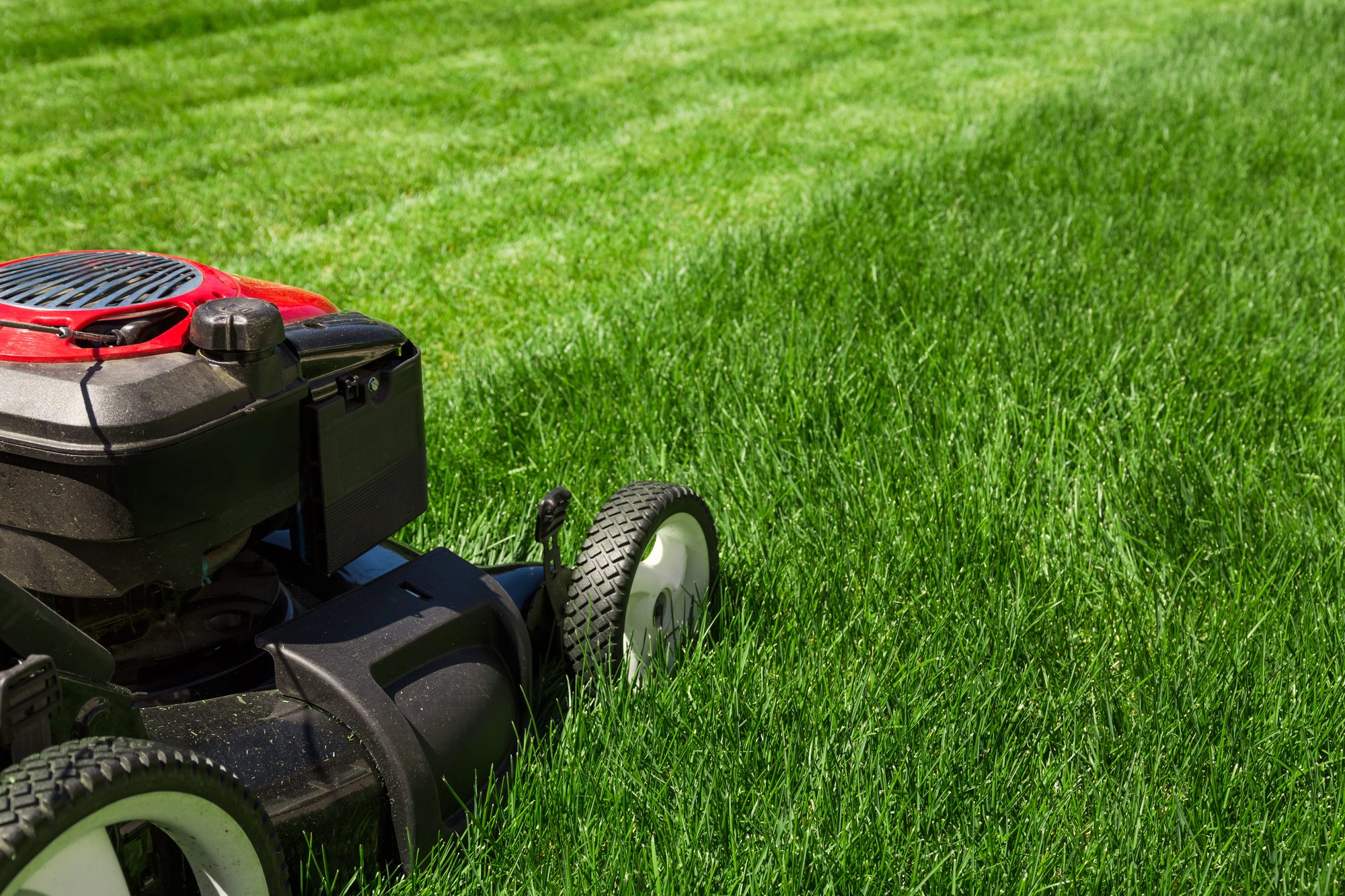
Although it sounds super simple, having the right mowing routine will set the foundation for having an healthy lawn. You first need to match your mowing height of your lawn mower to your grass type.
Cool season grasses usually like to stay a little taller, while many warmer season grasses can handle a shorter cut. You shouldn’t ever remove more than one-third of the blade at a time, or you’ll stress the turf.
It is important to keep your mower blades as sharp as possible, as dull blades tear up your grass, leaving brown tips and risking the grass becoming diseases.
Sharpen or replace your blades regularly, so each pass of your mower makes a clean cut.
During fast grass growth, you might need to cut your lawn weekly, but in slower growing periods, you can mow your lawn less frequently.
During hotter months or a drought, mow slightly higher to shade the soil, and lower the stress on the lawn, returning to your standard height when the conditions improve, and this will help your lawn to thicken, and naturally crowd out any weeds.
Water Your Lawn The Smart Way
When it comes to watering your lawn, you should focus on fewer, deeper waterings rather than daily quick sprinkles, so the lawn develops deeper roots, better color and a greater resilience to stress.
Moisten the top 6 to 8 inches of soil, then wait until it begins to dry, before you water again. This will train the roots to chase soil moisture, instead of lingering at just the surface.
Make a consistent watering schedule, ideally early in the morning to reduce the evaporation and fungal problems. Use tuna cans or rain gauges to track how much water you’re applying, and adjust the amount for rainfall.
Drip irrigation or soaker hoses are effective for targeted, efficient watering along your borders and any tight areas. After lawn aeration, the water will penetrate faster, and more evenly, so you can reduce the run time.
Deal With Weeds Before They Spread
You need a simple weed prevention plan that fits in with your usual lawn maintenance, and not just a once a year effort.
Start off by walking your lawn weekly, and pull up any young weeds by hand, before they start to seed, focusing on the roots, and not just pulling off the leaves.
Proper soil will help with the weed defense, so test the pH, add organic matter and avoid cutting grass too short, so it can shade out any invades. Having healthy and dense turf blocks out light and space that the weeds need to sprout.
If you want to use extra help, reach for natural herbicides first, like an iron-based or vinegar-based solution, and spot-treat the weeds rather than just blanket spraying the entire lawn.
Fix Bare Patches Early
One of the quickest ways to strengthen your lawn is fixing the bare patches as soon as you see them. The thinner spots invite weeds, soil erosion and pests, so don’t let the bare patches spread.
Start by soil testing, so you know the pH and nutrient levels you’re working with, letting you correct any problems before washing seeds or fertilizer.
Rake out any dead grass, loose the top inch of soil and choose a grass seed that matches your location’s climate and your existing turf, to help the new growth blend in and fill out evenly.
Use a starter fertilizer when you scatter your grass seed, and hold off on heavier feeding of the lawn, until the grass is established. Keep the seed consistently moist, and you can protect it with light mulch, if the sunlight exposure is intense.
