
Home allergy tests are becoming more popular with people wanting to figure out their intolerances and allergies, so they can better understand the possible triggers in their daily environment.
Trying to get a referral to a specialist in allergies and intolerances is a nightmare, with very long waiting times, especially with the NHS, and I’m talking from experience. Thankfully, there are companies that offer home allergy tests, so you can work out what is and isn’t triggering an allergy or intolerance.
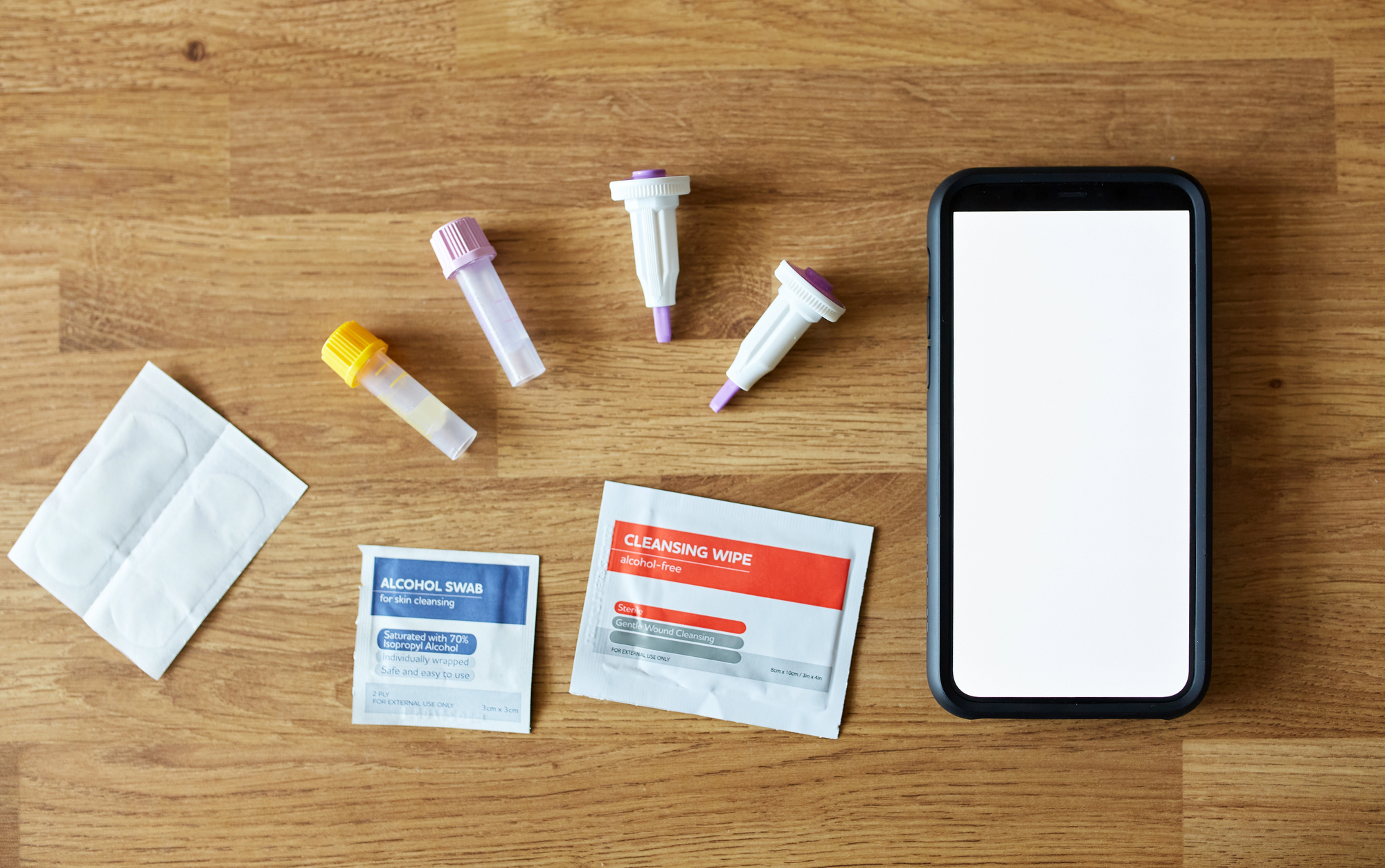
What Happens During A Home Allergy Test?
When you order an home allergy test, they send you a kit through the post, and you’ll need to collect a small sample. It will either be a few drops of your blood from a finger prick, or a saliva swab, depending on what you’re testing for.
Your sample/s is then sent to the lab using the kit’s pre-labelled packaging. The kit will include the instructions you need to collect the sample, and it is easy to do – it’ll talk you through the prep you need to do, how to collect the sample, and how to package it up safely.
When the lab receives your sample, they then analyse it against a panel of common allergens like pollen, pet dander, dust mites, and foods like milk, eggs, wheat, soy, or nuts, and you’ll get access to your results via a secure online portal.
Awareness Around Allergies and Intolerances Is Growing
Thanks to social media, media coverage and clearer food labelling laws, people are becoming more aware about allergy and intolerance symptoms.
You are more likely to see ingredients flagged for common triggers, hear your friends talk about their allergies and intolerances, and seeing schools and workplaces adjusting their policies for sensitivities like nuts, daily or gluten.
Maybe you’re experiencing symptoms yourself, and thanks to Google, you’re able to work out that you’re suffering from allergy symptoms, or intolerance symptoms.
As environmental factors change around us, like pollution levels, indoor air quality and exposure to chemicals, you might get new skin issues, respiratory issues or even digestive issues, and want to know if they’re linked.
What Allergies and Intolerances Can You Test With An Home Allergy Test?
Home allergy tests allow you to pinpoint what is triggering reactions from a wide range of food sensitivities from more common things like dairy, gluten, eggs, soy, nuts, and certain fruits or additives.
You can also check for environmental triggers that could be causing you issues like sneezing, congestion or itchy eyes. Many home kits let you screen for pollen, dust mites, pet dander and molds, and from my experience, the results are always spot-on.
The two most common testing methods for an home allergy test is a finger-prick blood sample, or a cheek swab, which you can do yourself, or get a friend or family member to help you. Once you’ve got your sample ready, you package it up following the instructions, and post it off to the lab directly.
How Accurate Are The Results When Testing For Allergies With A Home Test?
Your results will depend on several test accuracy factors; the type of sample (blood, saliva or hair), how well you followed the instructions within the kit, and the quality controls of the lab that processes your sample.
Finger-prick blood tests from accredited labs usually give you more reliable data, than unvalidated methods.
Many people assume a positive marker means a definite allergy, or a single test can replace a full medical workup, but that’s not 100% true. Results may show sensitisation or potential triggers, not a guaranteed reaction.
When I got my results from a home allergy test, I removed the problem foods from my diet, and could see a marked improvement in my symptoms, so I knew that the results were accurate.
I used to drink orange squash throughout the day for years, and never thought it would be causing me issues. When I did an allergy test, it showed that I had a strong allergy to oranges, and I switched from orange squash to plain water, and the difference was incredible.
The hives, stomach cramps and tingling tongue sensations I had all disappeared when I stopped drinking orange all day every day. I never thought I had an issue with oranges, but thanks to the home allergy test, I found out I did, and was then able to remove oranges from my diet entirely.
